
Diabetes Management
Have you recently been diagnosed with diabetes, or are your blood sugar levels still fluctuating despite treatment?
In India, over 101 million adults are living with diabetes, and urban regions like Mumbai see an even higher burden due to poor food habits, stress and sedentary lifestyle. Many patients remain unaware that poorly controlled diabetes can silently damage nerves, kidneys, eyes, the heart and the brain.
I frequently meet patients who feel “normal” but have dangerously high HbA1c values. As a physician and diabetologist, a top diabetes doctor in Mumbai, my focus is not just on lowering sugar readings for today—but on preventing long-term complications through structured diabetes management, timely insulin initiation when needed, and continuous monitoring. Early intervention makes diabetes manageable and prevents complications.
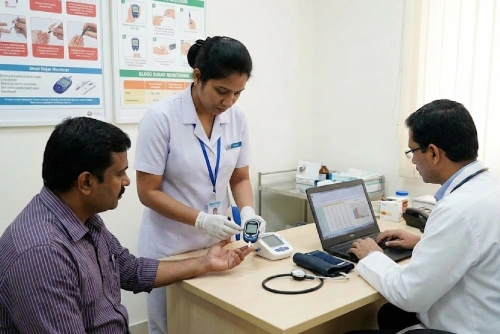
What Is Diabetes and Why Does It Need Continuous Care?
Diabetes is a chronic metabolic condition where the body cannot effectively regulate blood glucose due to insulin deficiency, insulin resistance, or both. Over time, uncontrolled diabetes can lead to:
- Nerve damage (diabetic neuropathy)
- Kidney disease and infections
- Vision loss
- Heart attacks and strokes
- Non-healing wounds and infections
Proper diabetes management focuses on long-term sugar control, lifestyle correction, and complication prevention—not just symptom relief.
Common Symptoms of Uncontrolled Diabetes
Many patients experience:
Excessive thirst and frequent urination
Unexplained weight loss or gain
Constant fatigue
Blurred vision
Tingling or numbness in feet
Slow wound healing
Recurrent infections
Some patients have no symptoms at all, which is why routine screening is critical. The American Diabetes Association recommends all individuals above 35 years of age to undergo screening for diabetes.
Who Should See a Physician for Diabetes Care?
You should consult a doctor if:
- You are newly diagnosed with diabetes (FBS >126 mg/dL, PPBS >200 mg/dL, HbA1C > 6.5%)
- Your fasting or post-meal sugars remain high (FBS >100 mg/dL, PPBS >140 mg/dL)
- HbA1c is above 5.6%
- Oral medications are no longer effective
- You experience numbness or burning sensation in feet.
- You have diabetes with hypertension, obesity, heart disease or kidney disease.
- If you are pregnant and have high sugar levels
Early physician-guided diabetes management under a diabetes specialist doctor in Mumbai prevents long-term damage.
Tests You May Need for Diabetes Management
Diabetes evaluation typically includes:
- Fasting & post-prandial blood sugar
- HbA1c (long-term sugar control marker)
- Lipid profile
- Kidney function tests
- Urine microalbumin
- Foot neuropathy screening
- ECG and blood pressure assessment
- 2D Echocardiography
HbA1c-Based Diabetes Control Plan
HbA1c reflects average blood sugar over the past 3 months:
- < 6.5% – Optimal control
- 6.5–7.5% – Needs optimization
- > 7.5% – High risk for complications
Treatment plans are individualized based on age, lifestyle, duration of diabetes, and associated conditions.
Treatment Approach: OPD vs IPD
OPD (Outpatient) diabetes management is suitable for patients with stable blood sugar levels, newly diagnosed diabetes, or those requiring medication adjustment and lifestyle guidance. Care includes review of daily sugar readings, HbA1c-based planning, diet counseling, and regular screening for complications. Most patients achieve effective control through consistent OPD follow-ups.
IPD (Inpatient) care is reserved for situations such as very high or dangerously low blood sugar levels, diabetic ketoacidosis, severe infections, dehydration, or complications affecting the heart, kidneys, or nervous system. Admission allows close monitoring, insulin titration, fluid correction, and rapid stabilization—ensuring safety during high-risk phases.
Diet Guidance & Lifestyle Modification
Effective diabetes management depends heavily on:
- Balanced carbohydrate intake
- High-fiber meals
- Regular meal timings
- Weight control
- Physical activity
- Stress management
Diet plans are customized—not extreme or restrictive—making them practical and sustainable long term.
When to Seek Urgent Care
Seek immediate medical attention if you experience:
- Persistent vomiting
- Very high or very low sugar readings
- Altered consciousness
- Chest pain
- Signs of severe infection
- Sudden weakness or vision loss
Diabetes Care Guided by Clinical Insight, Not Just Numbers
Dr. Makbool Ali M. Agharia, a senior diabetes physician in Mumbai, believes that effective diabetes management begins with understanding the patient—not just the sugar report. With over a decade of experience in General Medicine and Critical Care, he evaluates each case by correlating HbA1c trends, daily glucose variations, lifestyle habits, and associated conditions such as hypertension and obesity. He is also an expert in identifying different types of diabetes ie. Type I vs Type II diabetes, Gestational diabetes, Autoimmune diabetes, Hereditary diabetes, Medicine induced diabetes and treating it accordingly.
This approach ensures treatment decisions—whether oral medications or insulin—are medically justified, well-timed, and focused on long-term safety rather than short-term sugar reduction. He believes in shared decision-making in treatment of diabetes taking into account patient preferences, lifestyle, values, goals and comfort.
When Diagnostic Reports Translate into Preventive Action
Dr. Agharia personally reviews diagnostic reports to identify early indicators of complications such as neuropathy, kidney stress, or cardiovascular risk. This proactive interpretation allows timely treatment modification before damage progresses.
By combining advanced diagnostics with hands-on clinical oversight, patients receive structured, ethical care focused on sustainable diabetes management, complication prevention, and improved quality of life—both now and in the future.
Patient Reviews
 Anita Sharma
“My HbA1c dropped from 9.2 to 6.8 with proper guidance. No unnecessary medicines.”

Mohammed Irfan
“Clear explanation about insulin—no fear anymore. Excellent care.”
FAQs – Diabetes Management
How often should HbA1c be checked?
Every 3 months for uncontrolled diabetes.
Is insulin permanent once started?
Not always. It depends on your condition, pancreatic reserve, and response to treatment.
Can diabetes be reversed?
Early-stage diabetes and prediabetes can often be controlled—and sometimes reversed—with lifestyle correction.
Is online consultation available?
Yes, for follow-ups, report discussions, and treatment guidance.
Do I need admission for high sugar levels?
Only in emergencies. Most diabetes cases are managed safely through OPD care.
Diabetes is manageable—with the right guidance, regular monitoring, and patient commitment. This comprehensive approach to diabetes management goes beyond numbers, focusing on prevention of complications and long-term well-being. Under the care of Dr. Makbool Ali M. Agharia, diabetes doctor in Mumbai, patients receive structured, ethical, and clinically sound diabetes care designed for sustainable health outcomes.