
Kidney, Electrolyte & Dehydration Management
“Is a rise in creatinine or low sodium just dehydration—or a warning sign of kidney stress?”
In India, kidney and electrolyte disorders account for a large proportion of emergency admissions, particularly among elderly individuals, diabetics, and patients suffering from infections, dehydration, cardiac and liver diseases. Urban centers like Mumbai frequently report cases of acute kidney injury caused by poor hydration, uncontrolled infections, medication misuse, and chronic renal failure due to neglect and seeking late medical consultation.
I often see patients ignore abnormal creatinine or electrolyte values assuming they will “settle on their own.” As a physician and a kidney and electrolyte care doctor in Mumbai, my approach is to identify whether kidney abnormalities are reversible or progressing toward a critical stage—and to determine when early medical intervention is essential to prevent progression of kidney damage.
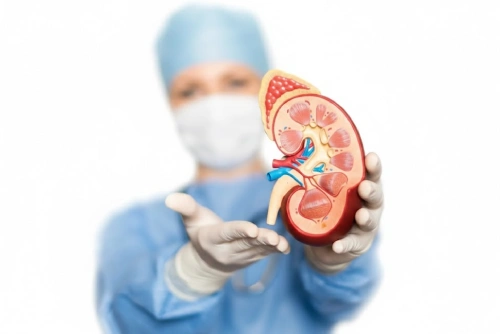
What Is Kidney, Electrolyte & Dehydration Management?
This area of care focuses on maintaining the delicate balance between:
- Kidney function
- Body fluid status
- Electrolytes such as sodium, potassium, and chloride
Common conditions include:
- Elevated creatinine (acute or chronic kidney injury)
- Kidney and urinary tract stones
- Dehydration-related kidney stress
- Urinary tract infection (UTI)–related complications
- Low sodium (hyponatremia)
- High or low potassium (life-threatening electrolyte imbalance)
Early identification can reverse kidney damage—delay can be dangerous.
Common Symptoms That Should Not Be Ignored
Kidney and electrolyte disorders may present with:
- Reduced urine output
- Dark or frothy urine
- Swelling of feet or face
- Fatigue and generalized weakness
- Giddiness or confusion
- Muscle cramps or palpitations
- Nausea or vomiting
- Fever with burning sensation on urination (UTI-related)
Many patients present late because early symptoms are subtle.
Who Should See a Physician Immediately?
You should seek urgent evaluation if:
- Blood reports show rising creatinine or urea
- There is persistent vomiting, loss of appettite
- Urine output has reduced
- You are diabetic or hypertensive with abnormal kidney tests
- Fever is associated with urinary symptoms
- Sodium or potassium levels are abnormal
- You feel confused, extremely weak, or faint
Early care under a kidney specialist doctor in Mumbai often prevents ICU-level complications.
Tests You May Need for Kidney & Electrolyte Evaluation
Kidney evaluation is systematic and urgency-driven when required:
- Serum creatinine and urea
- Electrolytes (sodium, potassium, chloride)
- Urine routine and urine culture
- Blood sugar and HbA1c
- Ultrasound abdomen (kidney size and obstruction)
- ECG (especially critical in potassium imbalance)
Investigations are ordered selectively based on clinical severity and risk factors.
Treatment Approach: OPD vs IPD
OPD Management
OPD care is appropriate in early or mild cases. Patients with borderline creatinine elevation, mild dehydration, or minor electrolyte imbalance may be managed with oral hydration, medication adjustment, infection treatment, and close laboratory follow-up. Timely review helps assess reversibility and prevents progression.
IPD (Hospital Admission)
Admission is required in moderate to severe cases. Significant dehydration, rapidly rising creatinine, reduced urine output, severe electrolyte abnormalities, or UTI-related sepsis require IV fluids, injectable antibiotics, electrolyte correction, and continuous monitoring.
Strong IPD relevance exists in kidney and electrolyte disorders. Early admission in high-risk cases prevents acute renal failure, dangerous heart rhythm disturbances, or life-threatening complications.
When to Seek Urgent or Emergency Care
Seek immediate medical attention if there is:
- Sudden drop in urine output
- Severe vomiting or diarrheoa
- Confusion or altered consciousness
- Severe weakness or palpitations
- Fever with chills and urinary pain/burning
- Abnormal electrolytes with ECG changes
Delay at this stage can be fatal.
Kidney & Electrolyte Care Guided by Urgency, Not Delay
Kidney and electrolyte abnormalities are never “minor lab variations.” As a kidney disease and electrolyte management doctor in Mumbai, I treat even mild creatinine or sodium changes seriously—especially in elderly patients, diabetics, and those with cardiac, liver diseases infections or dehydration.
Early correlation of lab findings with clinical condition helps decide whether careful OPD management is safe or immediate hospitalization is required. This decisive approach defines care under a top doctor in Mumbai for kidney and electrolyte disorders.
Meet the Doctor – Decisive Kidney Care When It Matters Most
I am Dr. Makbool Ali M. Agharia (MBBS, DNB General Medicine), a kidney and critical care physician in Mumbai with over a decade of experience managing acute kidney injury, electrolyte imbalances, fluid overload in patients with chronic kidney disease and infection-related kidney complications.
My background as Chief Intensivist at Suvarna Hospital, Borivali West allows me to quickly identify which patients need urgent hospitalization and which can be safely monitored. My focus is on early recognition of reversible kidney injury, precise correction of sodium or potassium imbalance, and timely initiation of IV fluids if required, antibiotics, or ICU-level care—prioritizing organ protection and patient survival.
Clinical Expertise Includes
- Acute & chronic kidney injury evaluation
- Electrolyte imbalance correction (low sodium/potassium disorders)
- Fluid overload management
- Dehydration & IV fluid management
- UTI-related renal complications
- Critical care & ICU management
Patients value this care for its urgency, clarity, and life-saving focus.
Patient Reviews
 Suresh Nair
“My creatinine improved after timely admission under Dr. Makbool Ali M. Agharia. Early intervention saved my kidneys.”

Farida Khan
“Electrolyte imbalance was identified early and corrected carefully by Dr. Makbool Ali M. Agharia. I felt safe throughout.”
Ajay Deshmukh
“Clear decisions and prompt action from one of the best kidney doctors in Mumbai.”
FAQs – Kidney, Electrolyte & Dehydration Care
Is high creatinine always permanent?
No. Many cases are completely reversible if treated early.
Is low sodium dangerous?
Yes. Severe hyponatremia can cause confusion, seizures, and coma.
Can dehydration cause kidney failure?
Yes, especially if longstanding and in elderly and diabetic patients.
Is online consultation available?
Yes, for report review and guidance in stable cases.
When should I ask about admission?
If urine output drops or electrolytes are severely abnormal.
Kidney and electrolyte abnormalities often remain silent—until they become critical. With early identification, structured monitoring, and timely intervention under Dr. Makbool Ali M. Agharia, kidney specialist doctor in Mumbai, many conditions are fully reversible. The goal of effective kidney and electrolyte management is simple: act early, protect kidney function, and prevent life-threatening complications.